
IJM’s Work (Pt. 1)
Hello Friends and Family!

What’s Going on in our Lives?
God has been really blessing us with a growing community here- For Alyssa’s birthday, we got together with some friends and co-workers, and got to experience some of the readily available activities that Bangkok has- laser tag! We had a lot of fun getting to do some out of the office activities, get to connect more with our coworkers, and also see some secret talent emerge from our office members. We met up in one of the many huge malls, and joined in for a few rounds of fun.
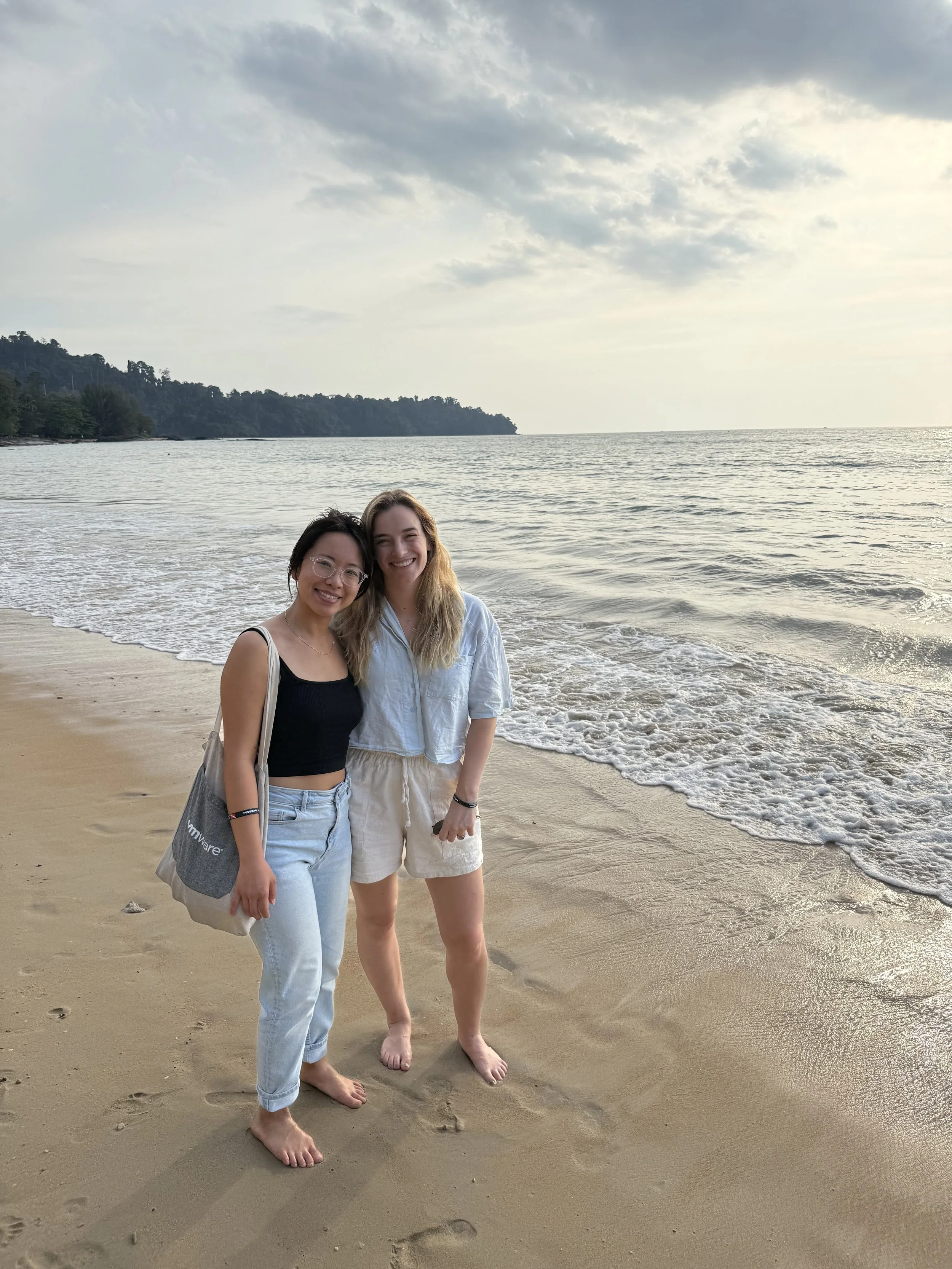
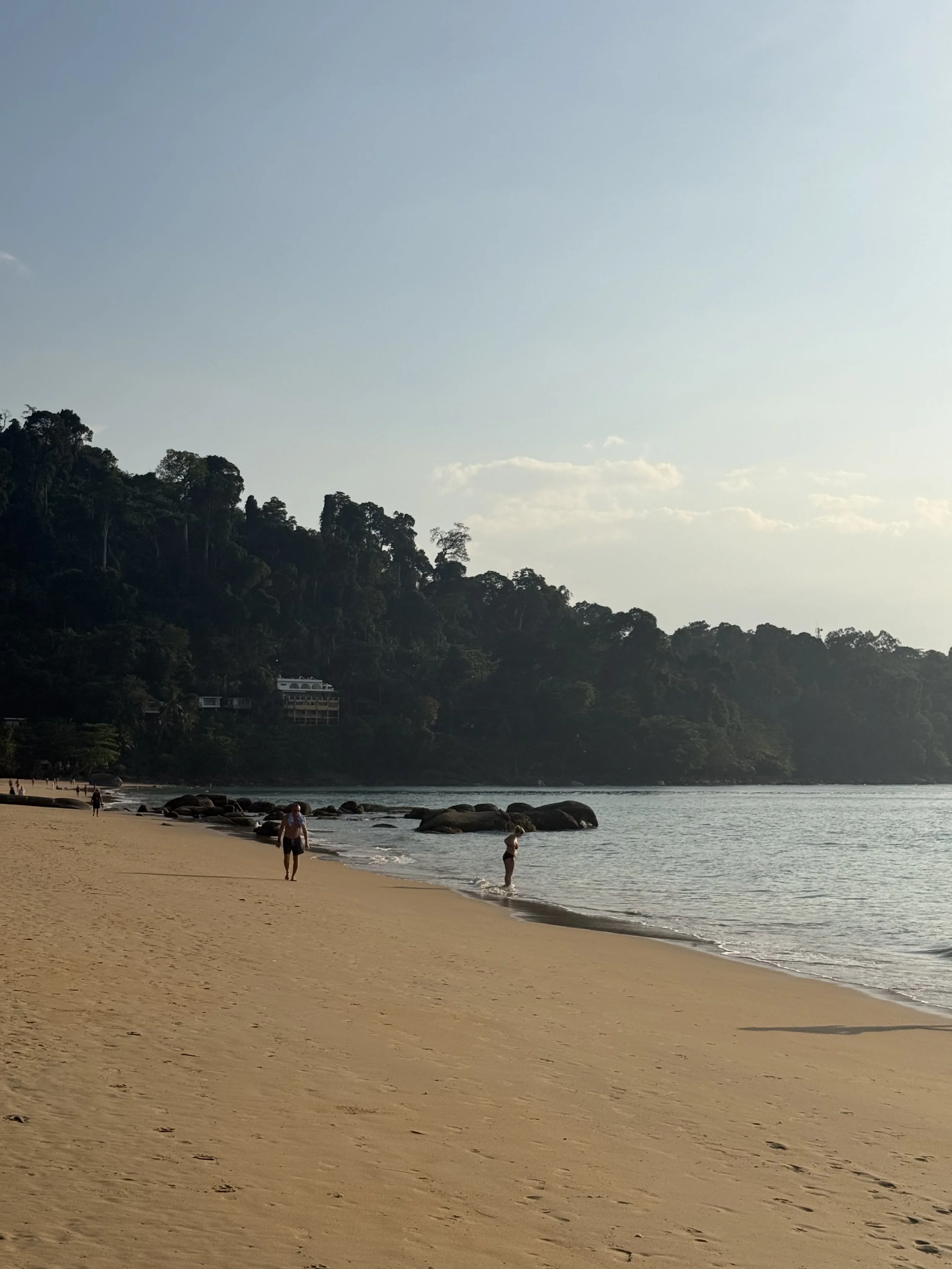
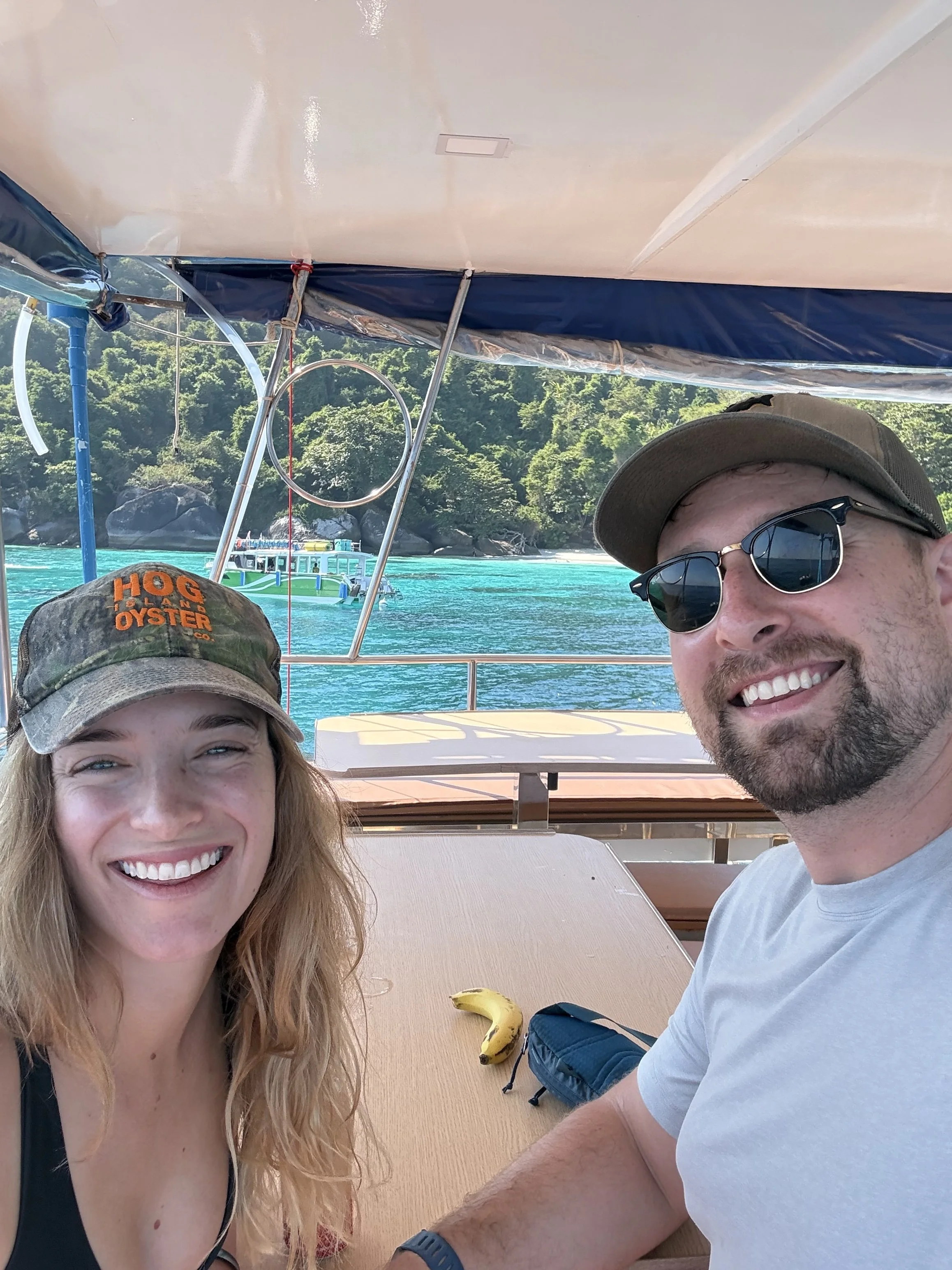
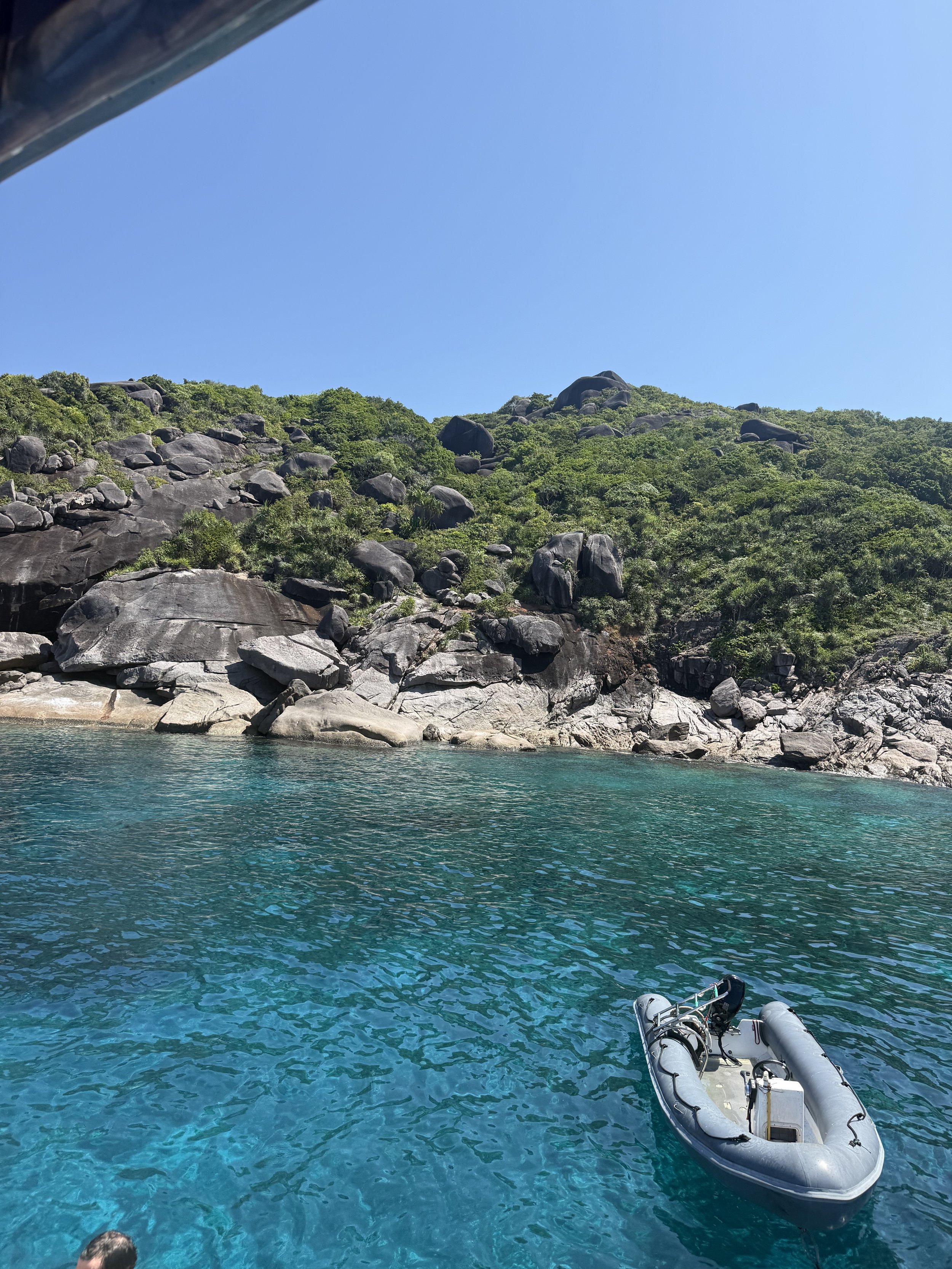
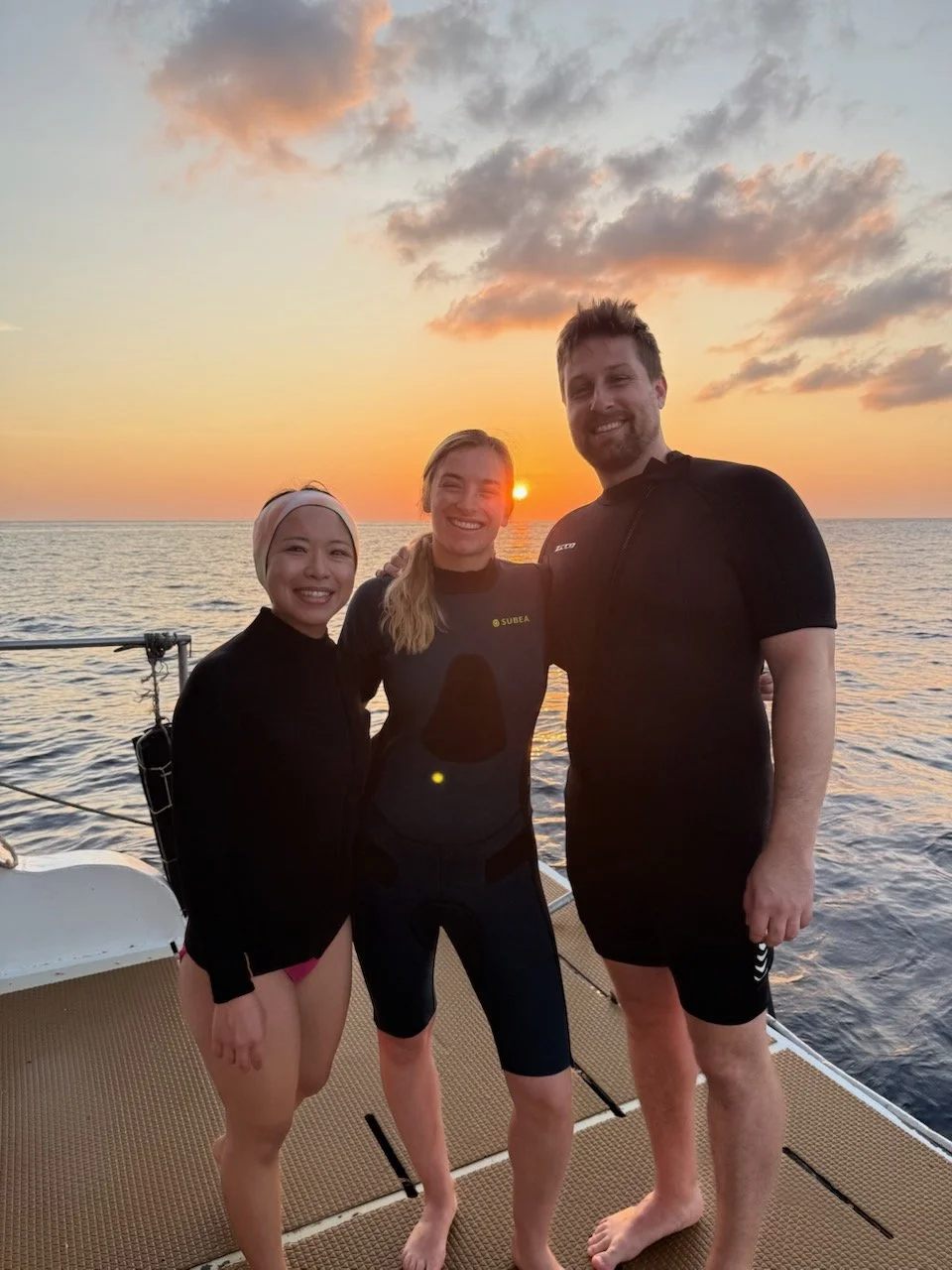
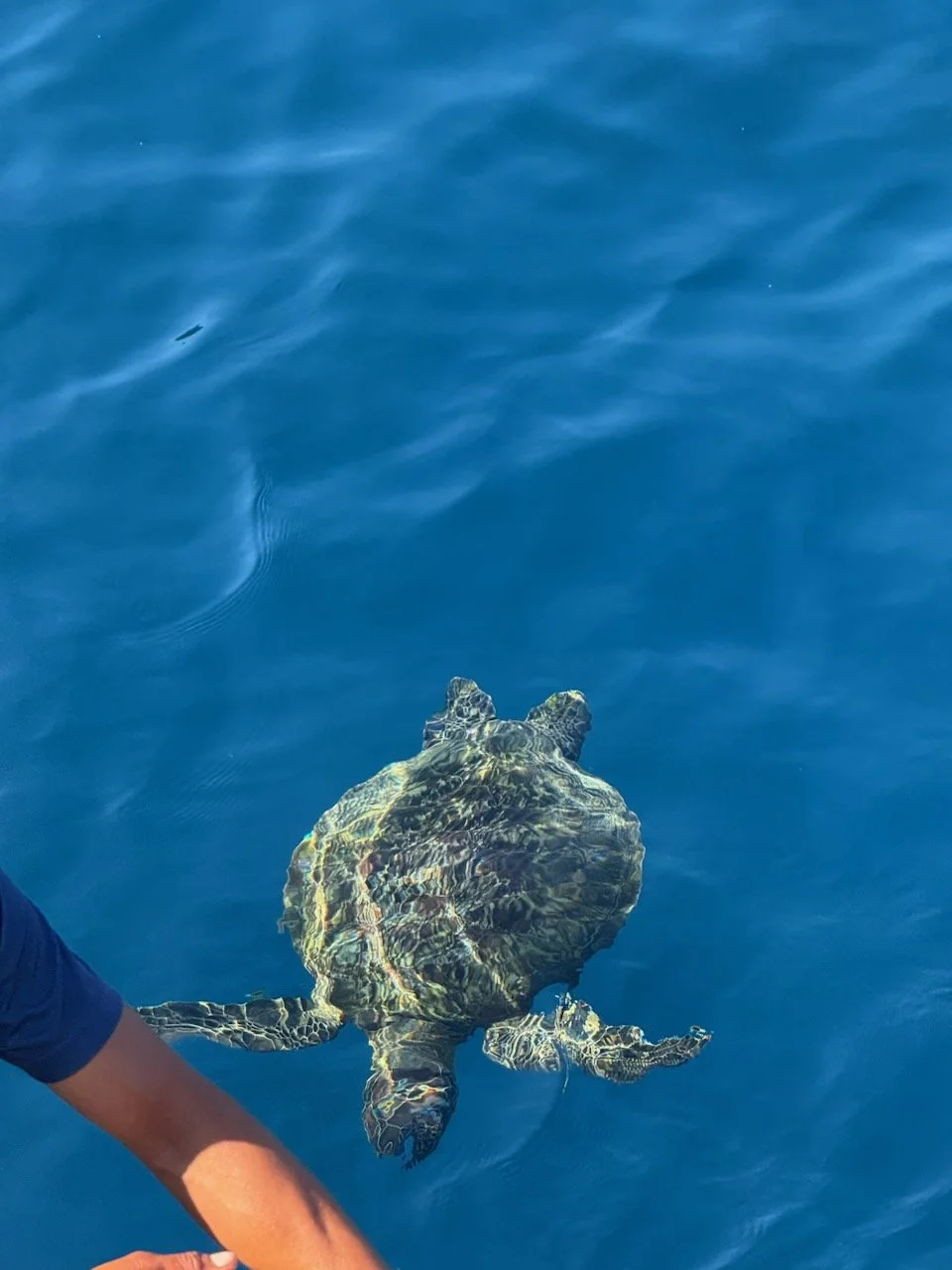
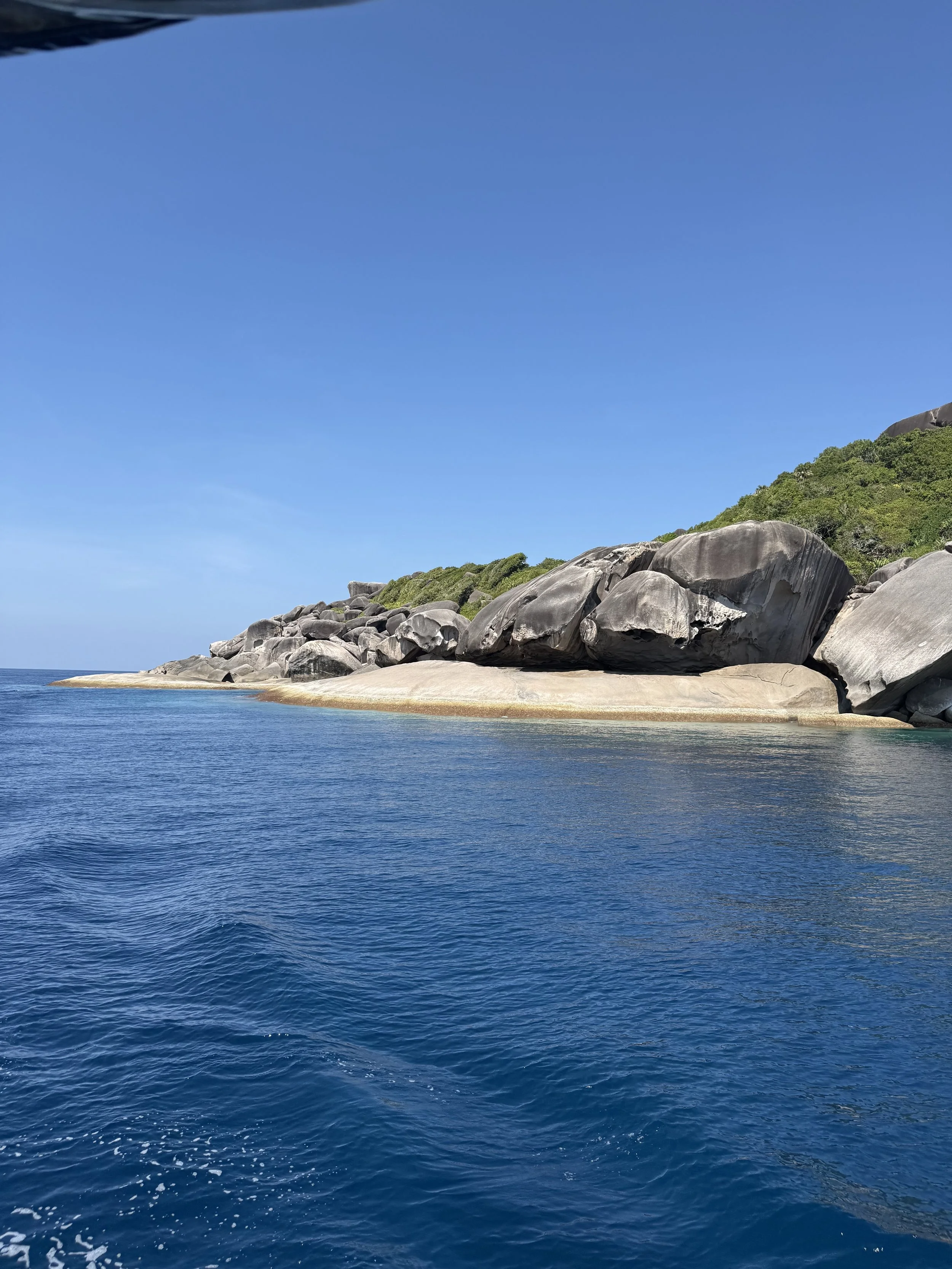
We also got to go visit another part of Thailand- the highlight of our month! Another one of our friends from San Francisco came to visit! Since Bangkok is very smoggy right now (look up PM2.5 in Asia), we met up with her in a small beach town in the south part of Thailand for some fun beach time, complete with some scuba diving!

Alyssa also got to practice a new hobby while we were there- we were invited over to a coworkers house for dinner in early January, and one of the topics was artistic hobbies- this inspired Alyssa to take up watercoloring , which she has really dived into the past few weeks. A new found talent- I am so impressed by how good she is!
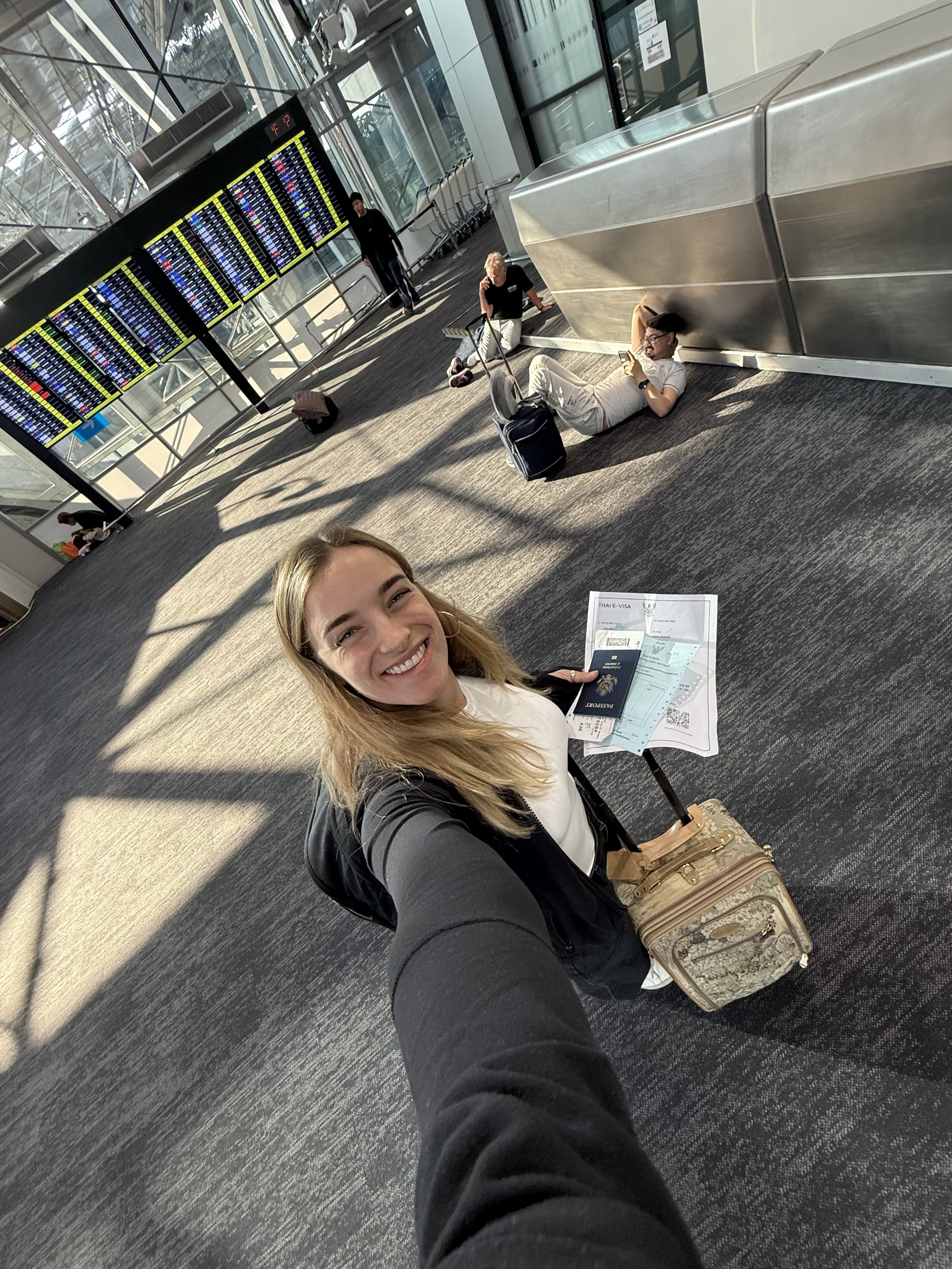
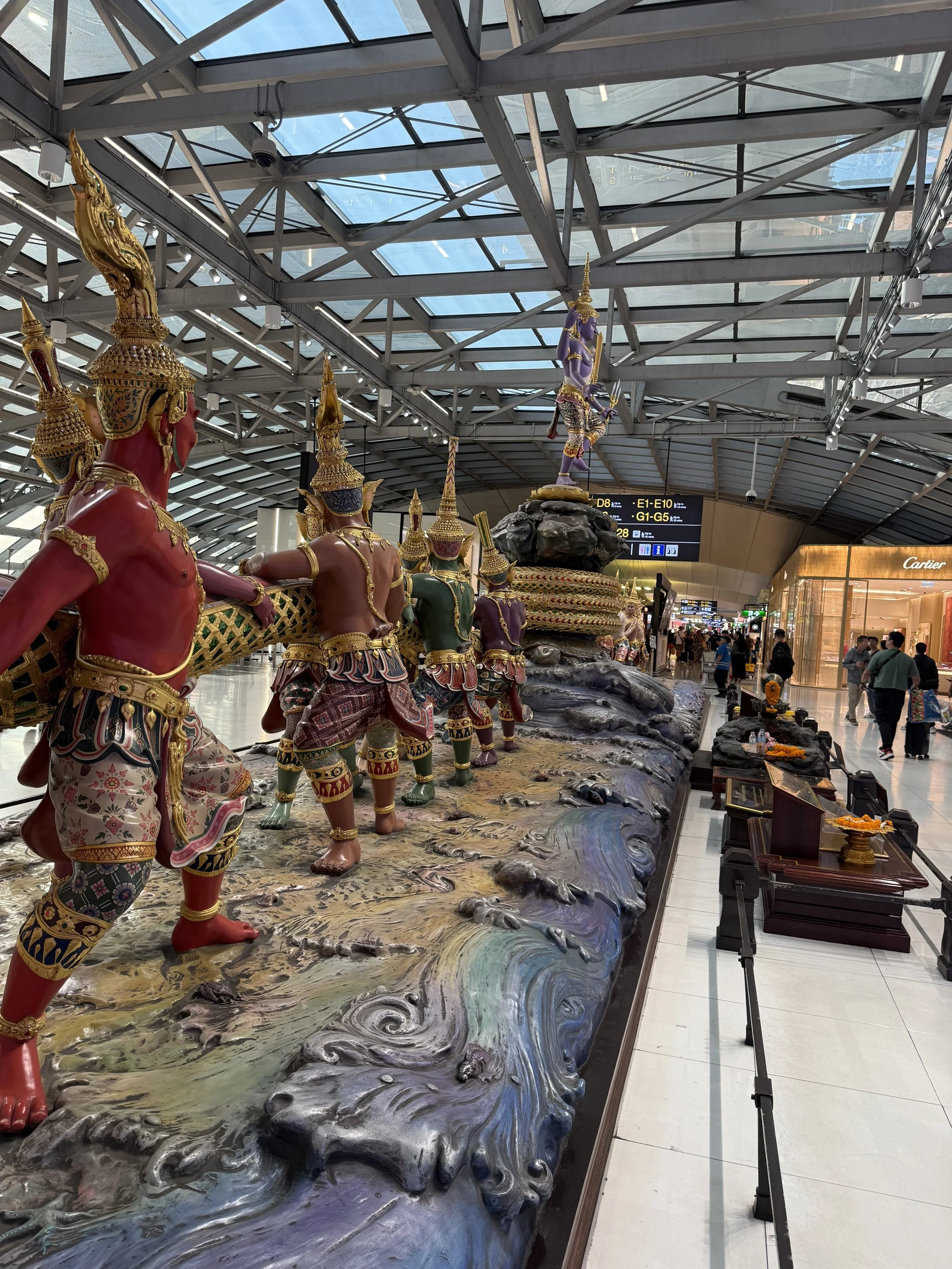
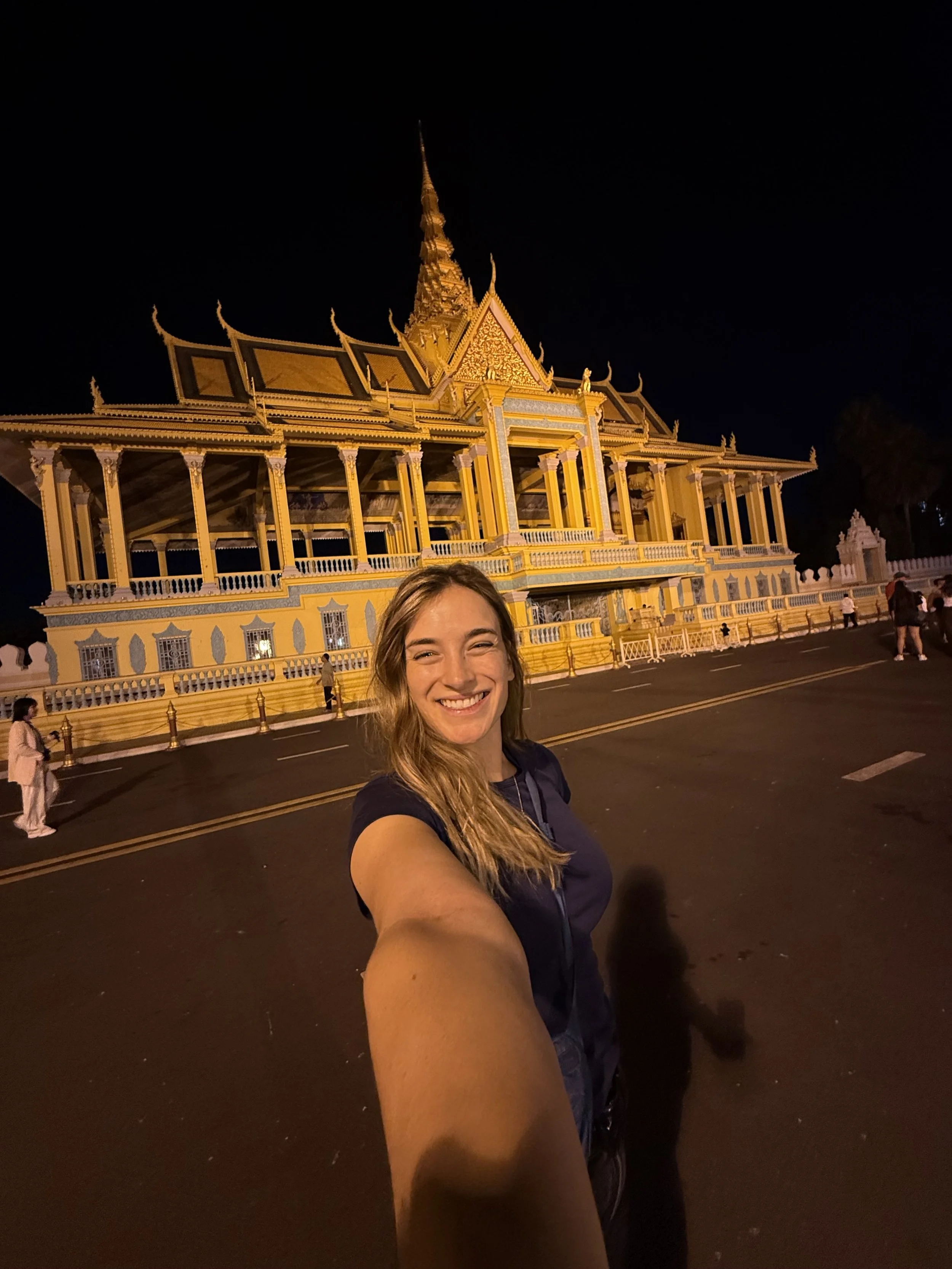
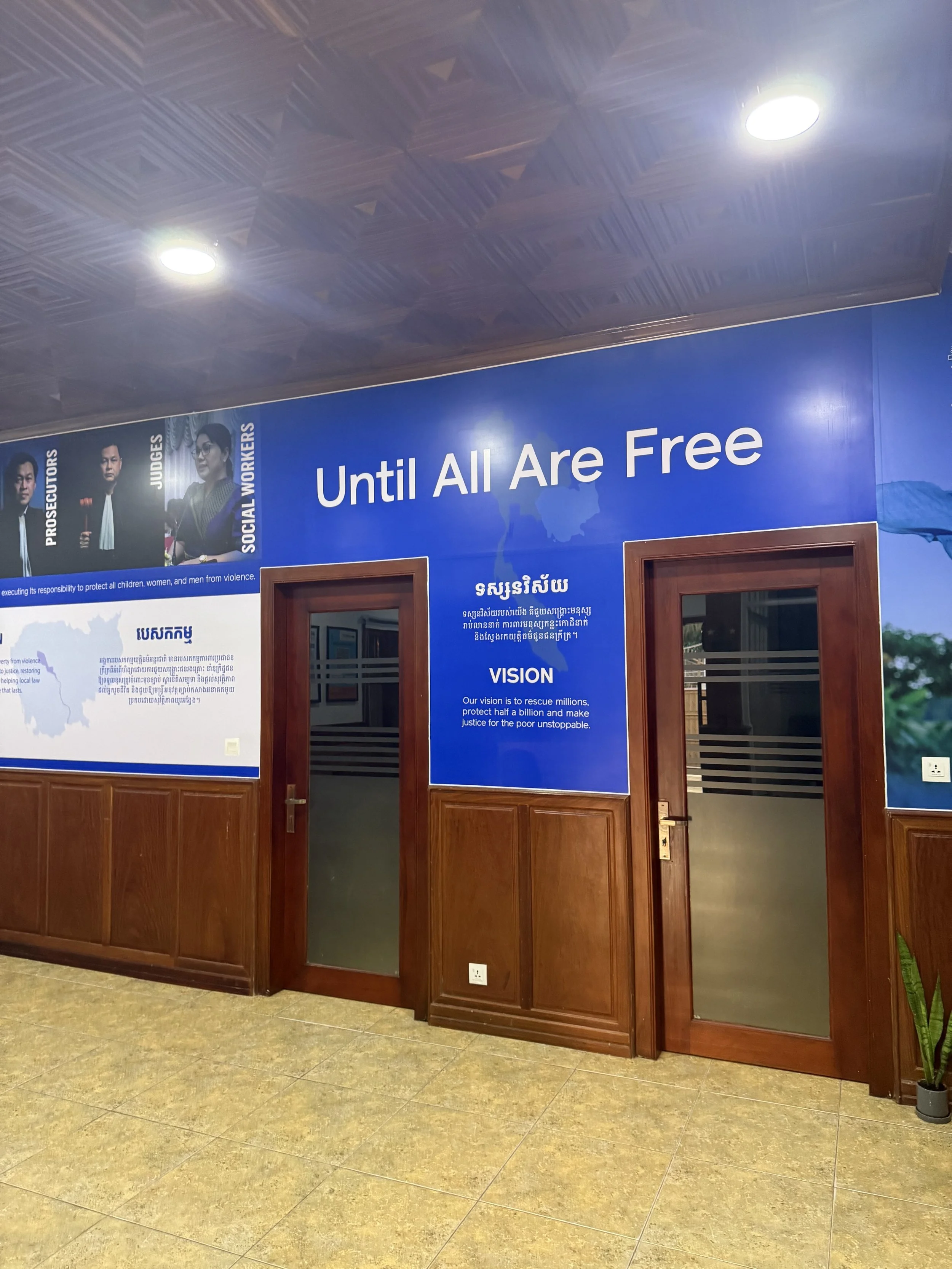
Another amazing door that God opened up was the opportunity to meet another IJM team- Alyssa was offered a chance to go visit the IJM Cambodia team in Phnom Penh earlier this month! The team there was having an important strategy and planning session, which was an adventure from start to finish! Several co-workers, who had originally planned to go, had to cancel last minute, and Alyssa was the only one available to take their place. When we got the call, we had to say yes! We got her packed her up in about an hour, and sent her straight to the airport to get her visa set up. She had a great time meeting the IJM team there, learning more about what they are doing, and helping to document some of the ideas the team had for cross-border collaboration between IJMs offices. Additionally, she got to learn more about Cambodian history by visiting a museum on the genocide, and that was a really eye opening education for us both.
New Spotlight- IJM Thailand Office’s Work
We want to share a bit more about the history of IJM’s work in Thailand as we begin to tell you more about our work! IJM has been working in Thailand since 2000, when it opened its first field office in Chiang Mai, a large city in the northern part of Thailand. At that time, the program focused on partnering with government authorities on anti-sex trafficking, hill tribe Thai citizenship cases, and cases of sexual violence against children. In 2017, IJM launched a new field office in Bangkok, where we now work. The Bangkok office began a new program in response to the needs of vulnerable workers who were trapped in situations of forced labor and labor trafficking, often migrant workers. To fully understand this program, I think it’s important to recognize Thailand’s unique role in the Southeast Asian economy.
Regional Context
Thailand has a relatively prosperous economy, with the second highest GDP per capita in the region (discounting Singapore and Brunai, both city-states). Thailand shares land borders with Cambodia, Myanmar, Malaysia, and Laos, countries with lower GDP per capita levels. This, combined with the Thai economic boom in the 1990s, and an openness towards migrant labor, created a flow of incoming migrant workers which has been steadily increasing in number since. Today, an estimated 4.1MM migrant workers currently now live and work in Thailand (roughly 5% of the population). Migrants from Myanmar and Cambodia make up a large portion of this population. Both countries have experienced significant political and social challenges over the past several decades. In Myanmar, ongoing conflict and war since 2021 has driven many people to leave the country, including those seeking to avoid being drafted. Cambodia has also experienced political tension that has contributed to migration, and, in turn, to the number of Cambodian migrant workers in Thailand.
Various laws are in place in Thailand to prevent migrant labor from depressing wages, and as a result, the migrant workers primarily work in low or unskilled labor. They tend to work in the “three D’s” jobs- dangerous, dirty, or difficult jobs in agriculture, fishing, construction, manufacturing, and domestic work. Unlike the protections we take for granted in the US, these jobs lack worker safety and rights laws, and can often involve long days and incredibly hard labor, even in the best of situations. This, combined with some ineffective law enforcement in many of the provincial regions, have created a population incredibly vulnerable to forced labor and labor trafficking. IJM saw this vulnerable population, and having made significant strides in combatting similar issues in other countries, began to explore how pervasive the problem was in Thailand.
The Baseline
To better understand the scale of this vulnerability, IJM partnered with National Opinion Research Center (NORC) from the University of Chicago in 2022 to conduct a study in Thailand, with the aim of assessing the prevalence of forced labor in the migrant worker community. This study surveyed nearly 1300 migrant workers in Bangkok and the surrounding regions, conducting long form interviews aimed at understanding trends as best as possible. NORC found that nearly 18% of those surveyed had experienced both exploitative labor practices, and the inability to leave their employer for fear of severe consequences. Together, these factors are a serious indicator of forced labor. This is a potential population of roughly 750,000 people being exploited, a figure even more serious when you consider that it may be a low estimate- the survey was taken near to the capital, where rule of law is the strongest in the country, and thus may underrepresent the population of potential victims.
Rising Populism
In recent years, Thailand has also experienced rising public outrage and negative sentiment toward migrant workers, particularly those from Myanmar and Cambodia. Some of this sentiment has been amplified by social media misinformation, including claims that migrant workers displace Thai workers or pose security risks. Although these narratives are not supported by data, they can influence public perception and contribute to the marginalization of and anger towards migrant communities.
These attitudes, compounded by the challenges faced by migrants with irregular visa status can increase their vulnerability. Limited legal protections, fear of arrest, and barriers to accessing formal systems make it harder for these workers to seek help when they face exploitation. This environment can contribute to the vulnerability communities, and what is interesting for Alyssa and I to observe is that it seems similar in some ways to the vulnerabilities experienced by undocumented workers in other parts of the world, including the United States.
IJM Thailand
IJMs mission is to protect those in poverty and vulnerable to being exploited by those in power. Regardless of the migrant workers visa status, country of origin, or work history, the team believes that we are all created in God’s image. No one deserves to be subjected to violence, made to work in inhumane conditions, threatened or coerced, or denied wages for their fair work. Based on the perceived need from the large vulnerable population of migrant workers, IJM made the decision to start a program to combat forced labor in Thailand.
In our program, these efforts initially focused on the Thai fishing industry. With Thailand being one of the largest national exporters of fish in the world, increasing worldwide demand put pressure on the industry for higher output, and this pressure eventually made its way down the distribution chain to small scale fishing operations where the industry was less regulated. This is typical of many of the supply chains which are used to produce manufactured sold in the US and other countries. Large suppliers use an intricate chain of subcontractors to supply the materials or partially finished goods, and hide their connection with industries which rely heavily on forced labor. Since the early years of IJM's forced labor and labor trafficking program, we have expanded our work and we now address forced labor across a more broad range of industries, reflecting the many environments where exploitation happens.
Conclusion
So, that is a lot of information about IJM and the economic situation of Thailand, and I hope you enjoyed learning a bit more- we certainly have! We have had the privilege of learning this both at a macro level and also having been able to meet migrant workers and survivors of trafficking has really painted an incredible picture for both of us, and we look forward to sharing more with you as we learn. It is truly heartbreaking to hear how lives can be completely torn apart by being trafficked and trapped, but we have experienced such hope in the strength of the survivors, the work, and in how strongly God is moving in this mission.
For further reading:
https://thailand.iom.int/migration-context
https://www.visualcapitalist.com/mapped-southeast-asias-gdp-per-capita-by-country/
https://en.wikipedia.org/wiki/List_of_ASEAN_countries_by_GDP
https://en.wikipedia.org/wiki/Myanmar_civil_war_(2021%E2%80%93present)
https://switzerland.mol.go.th/wp-content/uploads/sites/4/2025/03/thailand-migration-report-2024.pdf
https://ijmstoragelive.blob.core.windows.net/ijmna/documents/IJM-Prevalence-Study-Thailand.pdf
-
One of our coworkers passed away in January, after battling with cancer for many months. We were able to attend his memorial service, which was a beautiful tribute to a life spent in service of God. Please pray for his family through this difficult time.
-
We regularly have cases where clear victims of trafficking are dismissed by authorities, and denied the protections due to victims. Please pray for God to open up the eyes of those responsible for evaluating victim status, that they would see those victimized with eyes of compassion.
-
Alyssa and I continue to have ongoing minor health issues. Please pray for healing and strength.
